

Taking a flight to 2126; a Nature Guardian event
Background
In 2025 NICW undertook a trial of the Nature Guardian concept – aiming to test how decision making was influenced by involving a representative of Nature in the Commission.
This process followed the publication of our report on flooding, which included a recommendation for Welsh Government to involve Nature in decisions about flooding;
“By 2028, set up the mechanisms to incorporate nature as a key stakeholder within flooding policy and implementation.”
“Building Resilience to Flooding in Wales by 2050″, NICW 2024
Shortly afterwards, the Commission took a trip to the Bannau Brycheiniog, where we experienced first-hand some of the practical ways in which Nature is being used to reduce flooding and improve the ability of land to hold water, and where we first encountered the role of Nature Guardian in person, as inhabited by Tom Johnstone.
This visit prompted us to Commission two essays related to Nature Guardians – one by Simeon Rose on the practical aspects of how to bring Nature’s voice to NICW, and one by Dr Eurig Salisbury, which dwelt on the cultural importance of Nature to Welsh history.
The Commission agreed to test the idea of a Nature Guardian on the Commission, and we welcomed Dr Juliet Rose as a proxy Nature Guardian for one meeting. Commissioners responded positively to the experiment, so we subsequently appointed Elspeth Jones as our Nature Guardian for 2025. We aimed to learn ‘in public’ – noting the ways in which decision-making was influenced by our Nature Guardian, with the aim of publishing our findings.
Part-way through 2025 it became obvious that there was a great deal of interest in what we were doing, so we decided to hold an information-sharing event and workshop to share our findings, and to enable other people to find out more about the concept and practise of Nature Guardianship. This event – that took place on 22 January 2026 – would enable us to demonstrate our commitment to that public learning we intended from the outset.
The event
With any event, the most important thing to understand from the outset is the purpose. In our case we wanted to:
- Share our findings of Elspeth’s tenure as our Nature Guardian
- Bring together people of influence on Boards or at executive level in Wales, to influence them to consider the idea
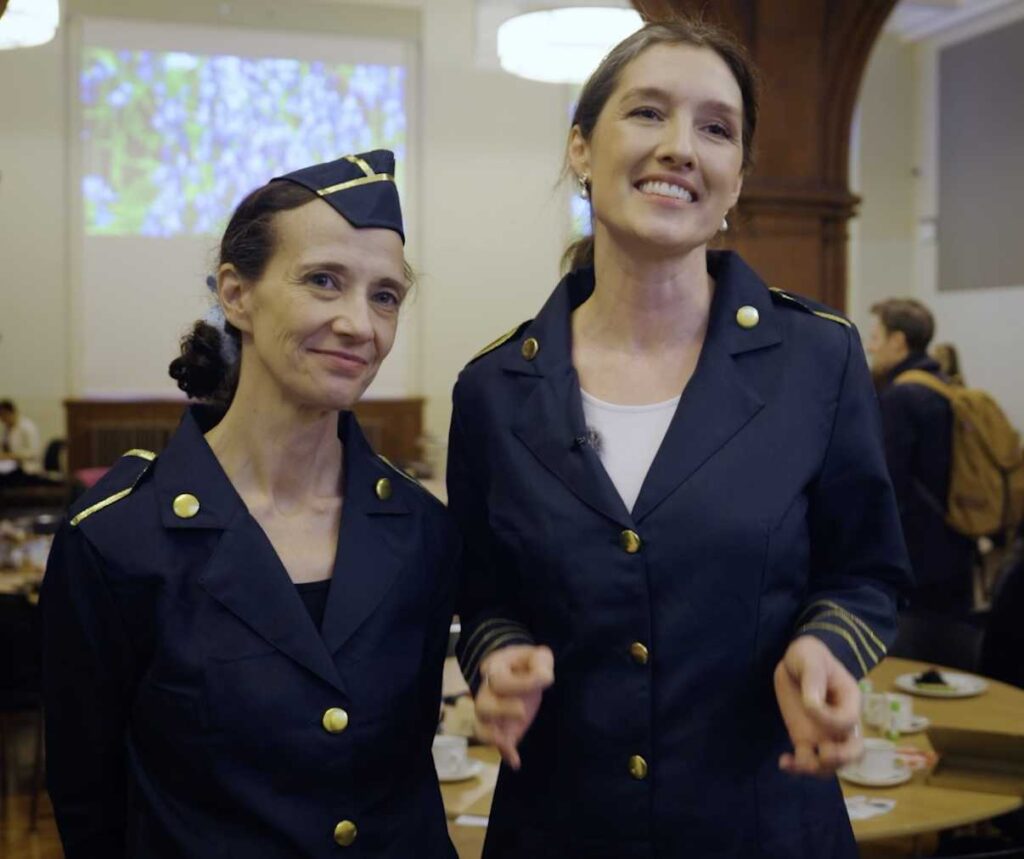
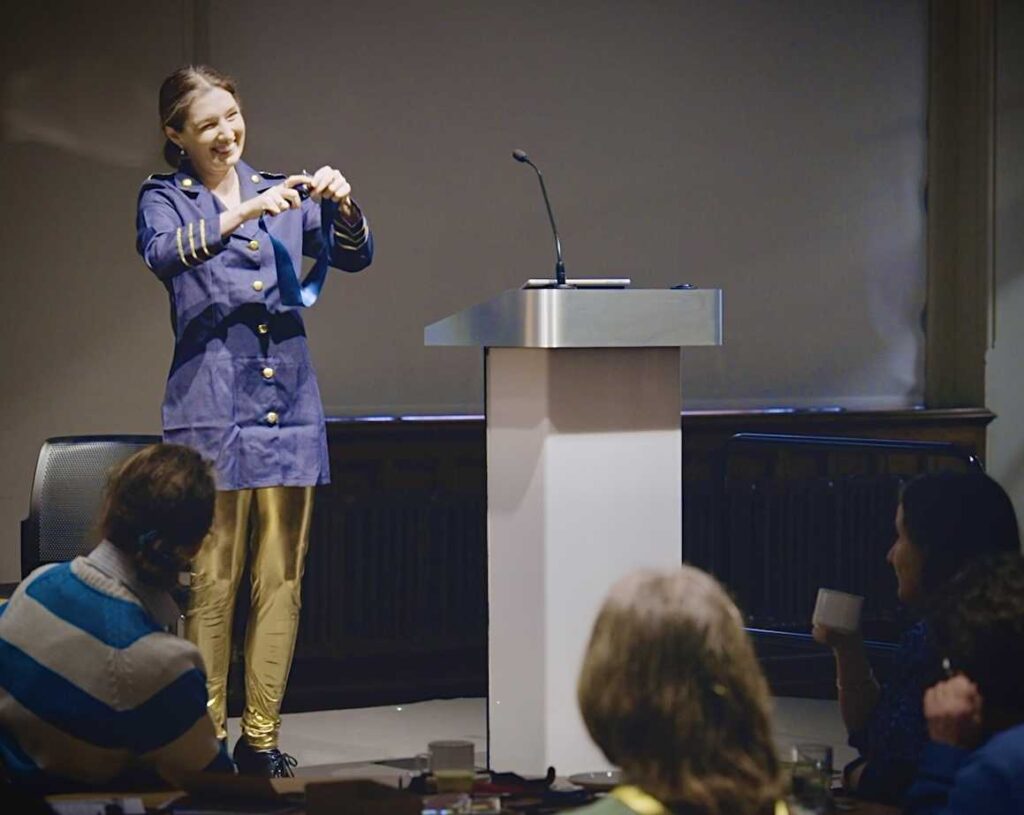
We contracted Landed Futures to organise the event. The theme agreed on for the day was a ‘flight to the future’, where participants were asked to imagine that they were meeting people from the year 2126 who told them that the January NICW event was where the movement that ultimately led to safeguarding Nature began. No pressure!
Lee Waters MS sponsored the event; it felt particularly fitting, as he had been the Minister who appointed all the current Commission. He wasn’t available on the day, being called away on urgent Senedd business, but we hopefully did credit to his own radical nature during the day!
The event consisted of a number of keynote speakers and a series of workshops. The speakers were:
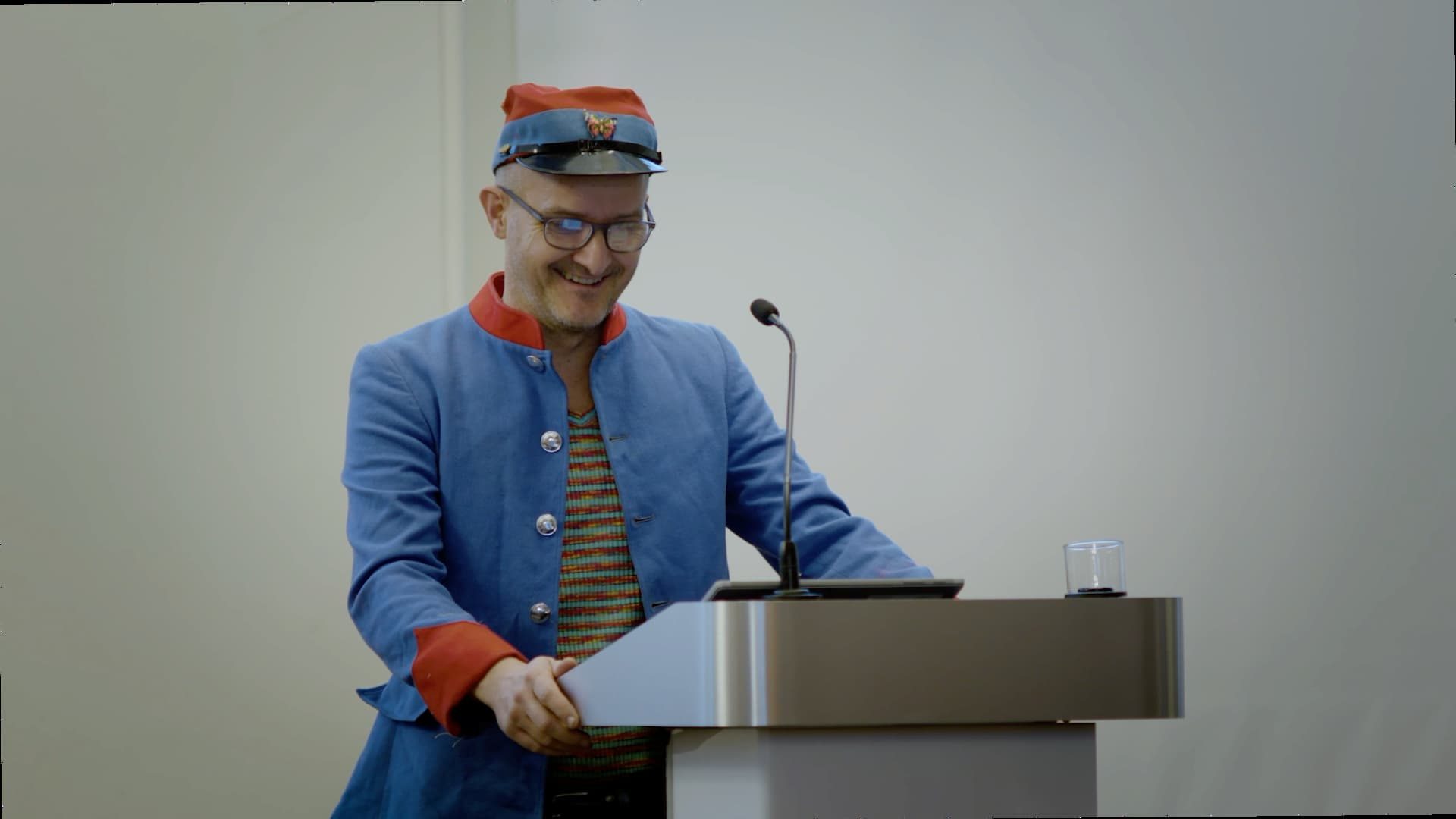
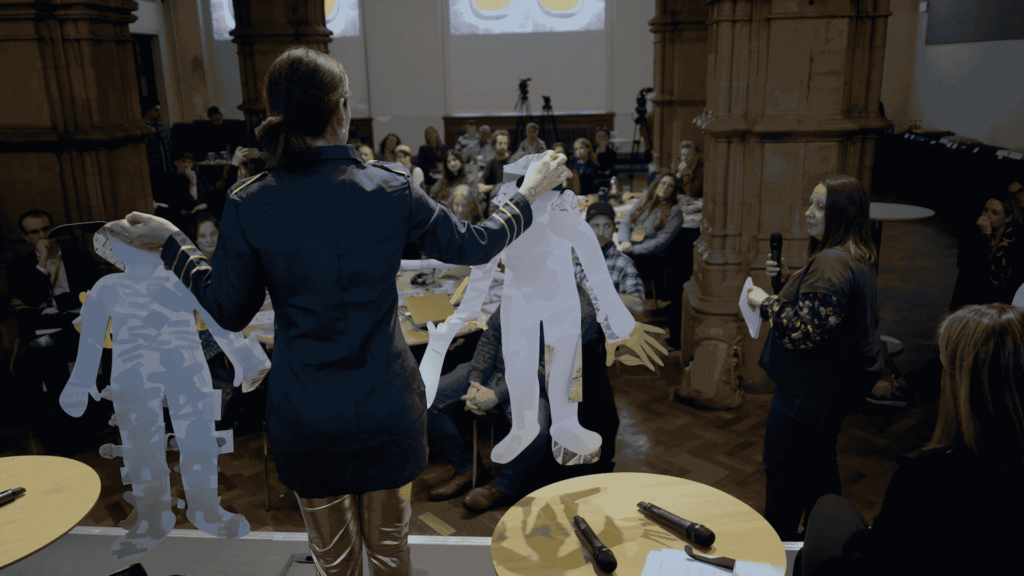
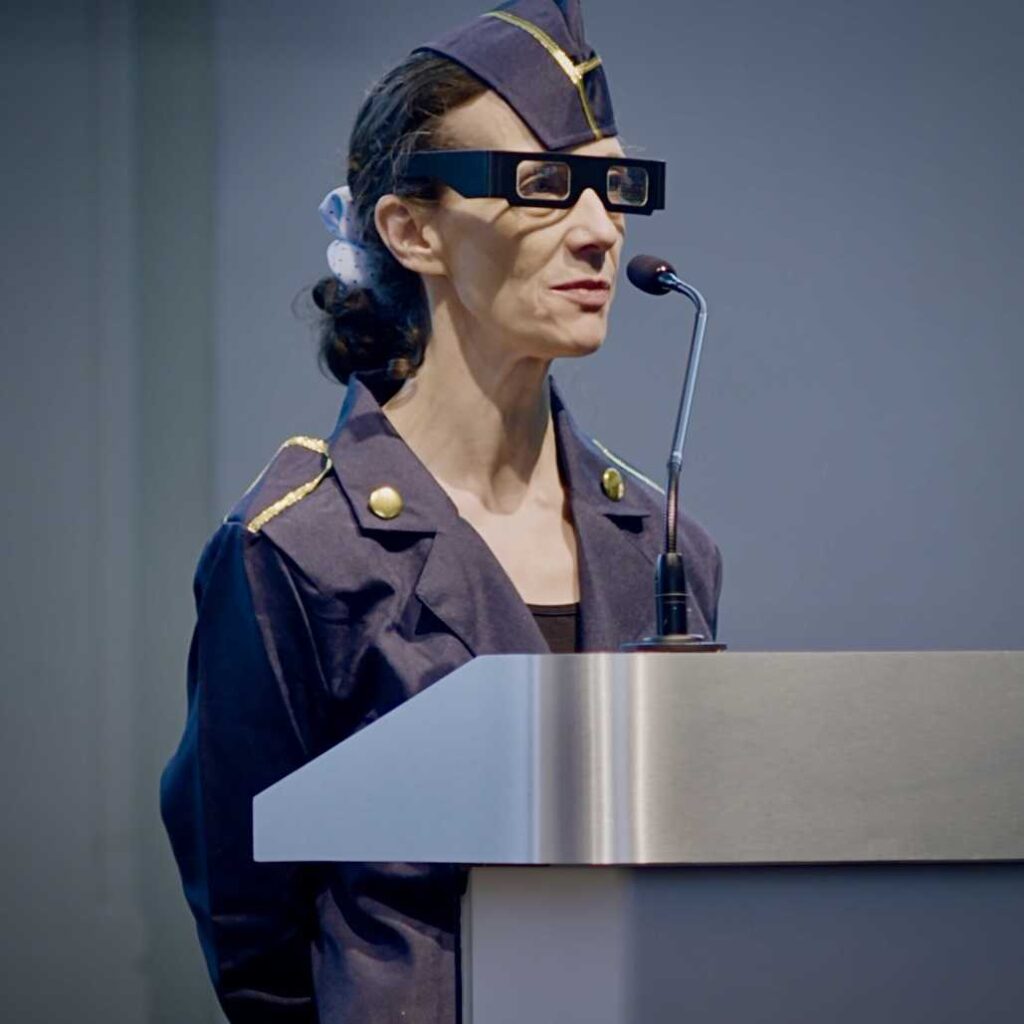
Standing in for Lee Waters to introduce the day, Dr David Clubb told us about the reason for his outfit, and how ripples can have unexpected (positive) outcomes, many years down the line.
Dr Eurig Salisbury of Aberystwyth University delivered a comprehensive treatise on the way in which Welsh literature links to Nature throughout history.
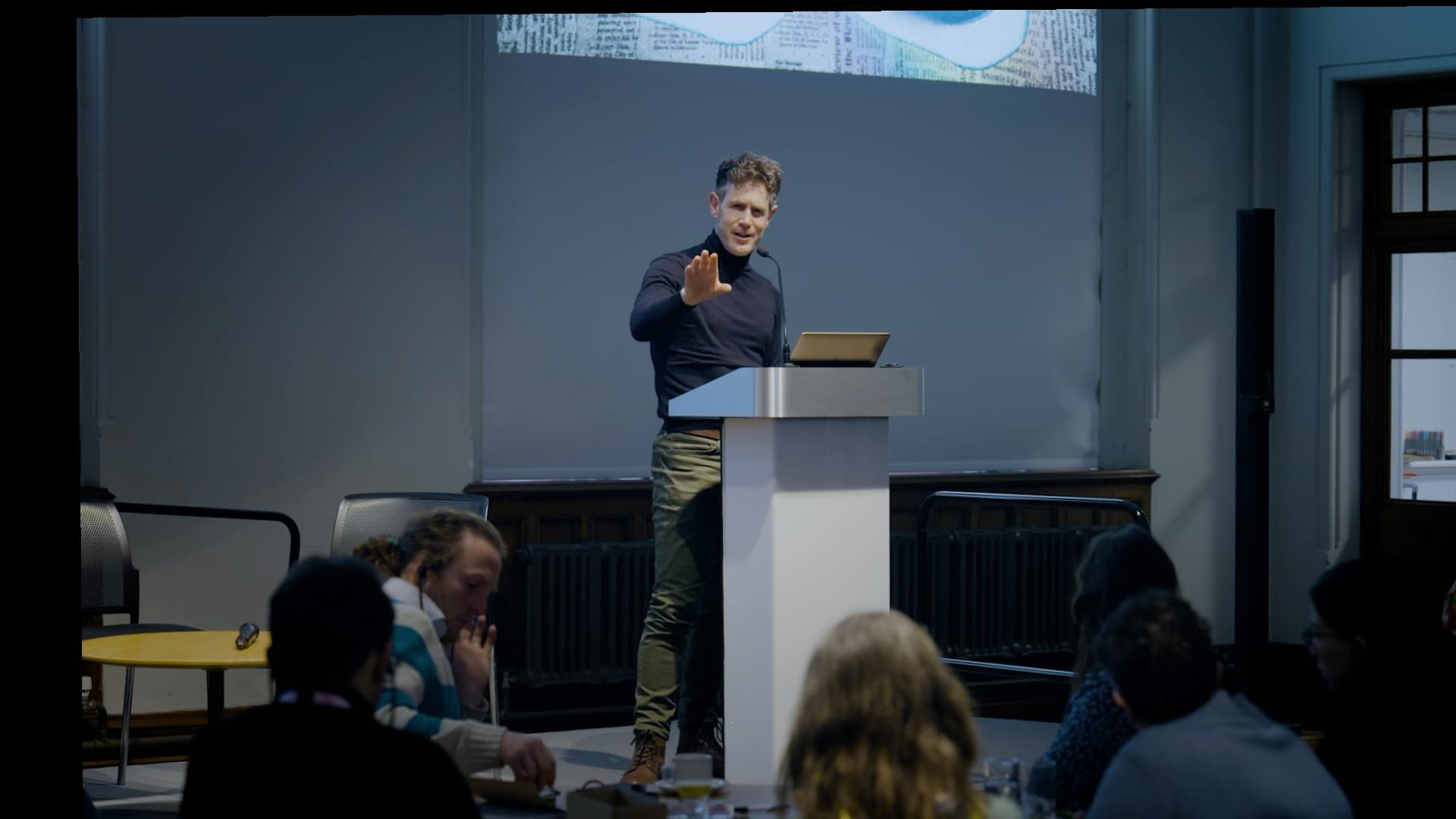
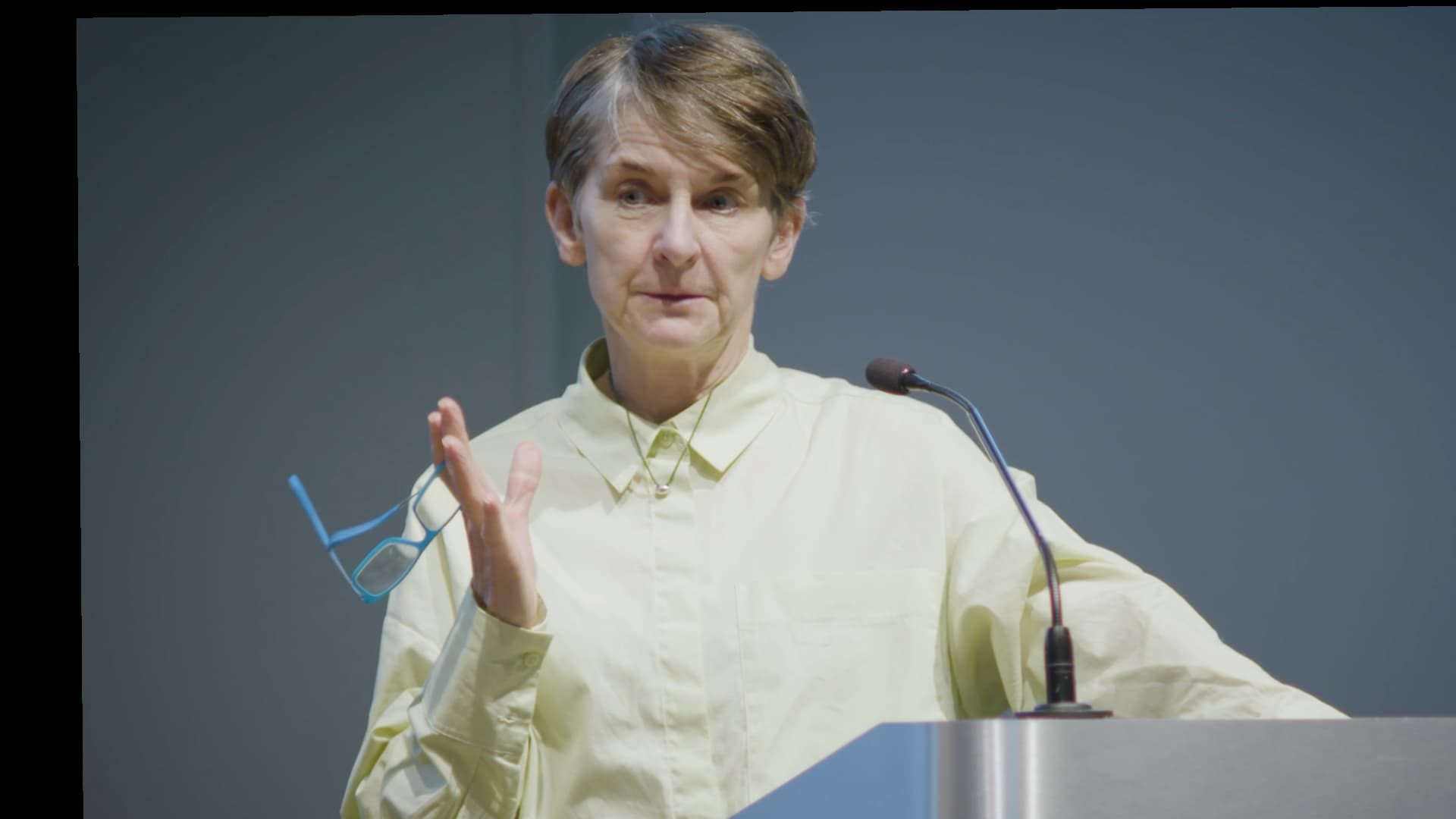
Laura McCallister, Professor of Governance at Cardiff University, made the case for radical change.
Elspeth Jones, Nature Guardian at NICW, described the outcome of the experiment during her six months.
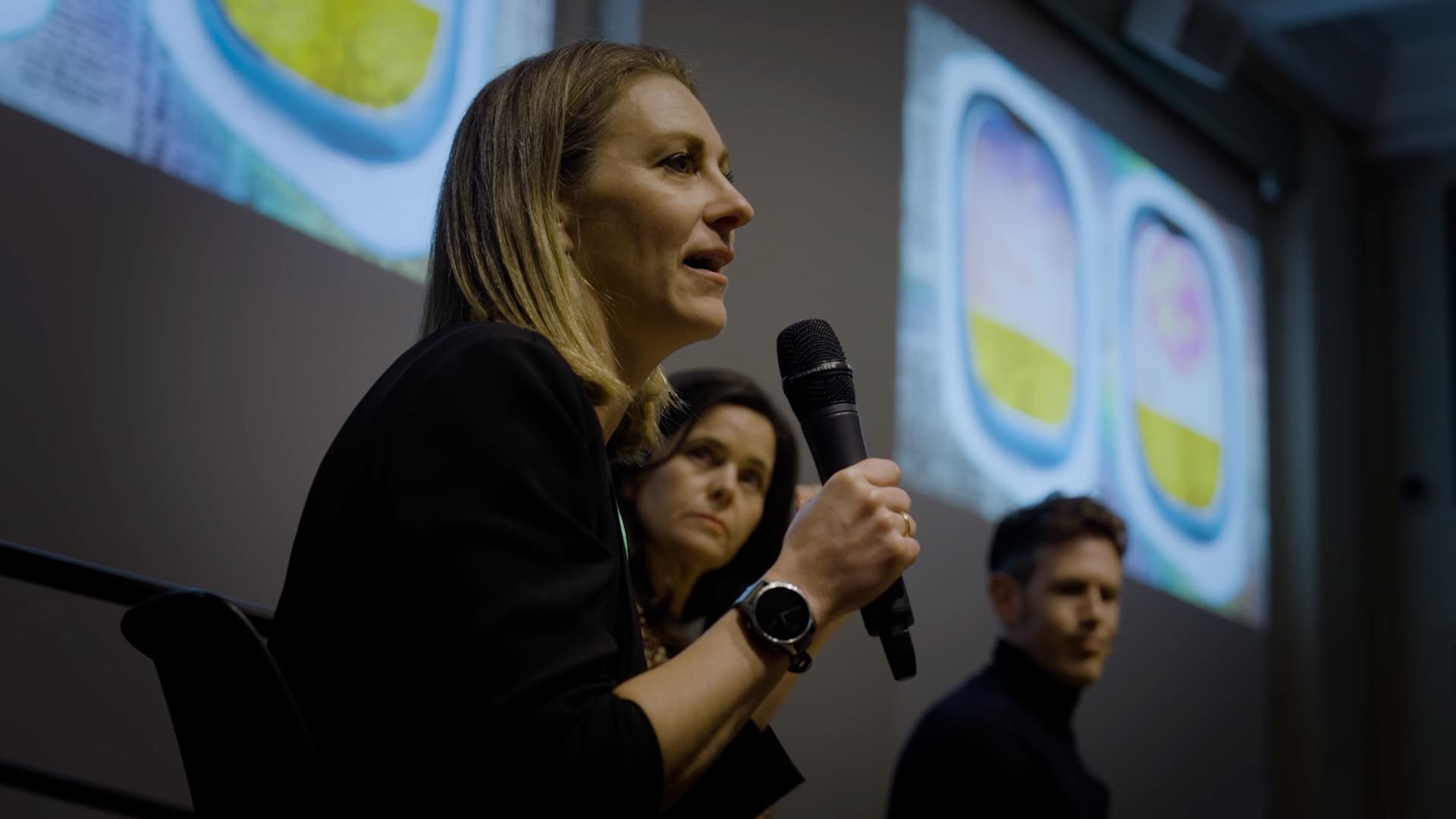
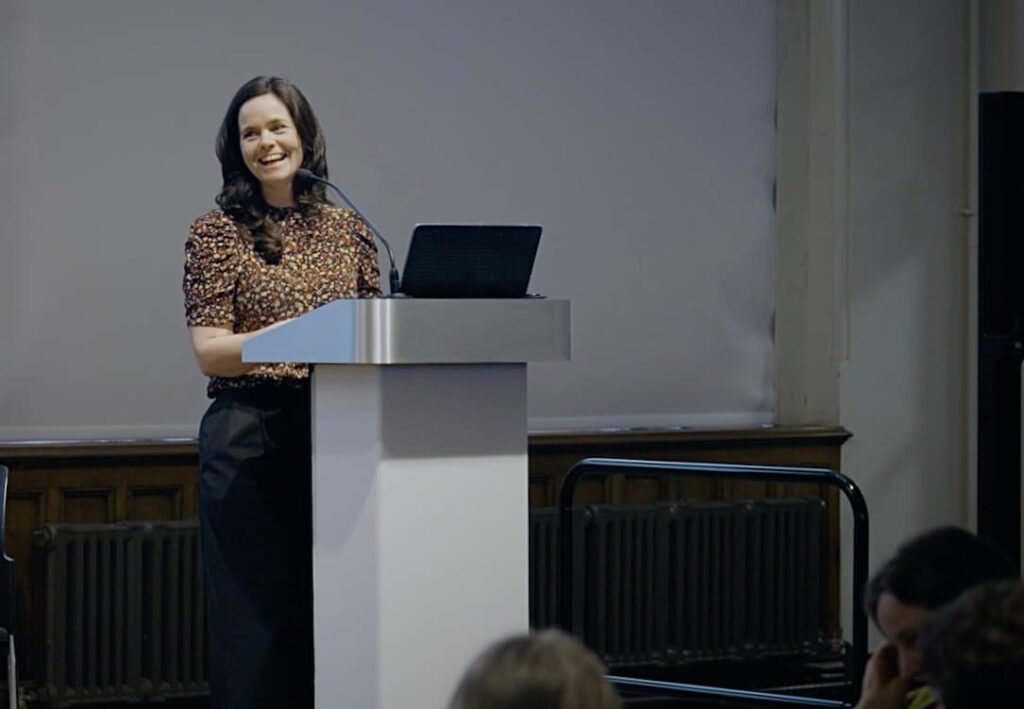
Brontie Ansell talked about what we can learn from other innovations in governance – and the need for both passion and patience
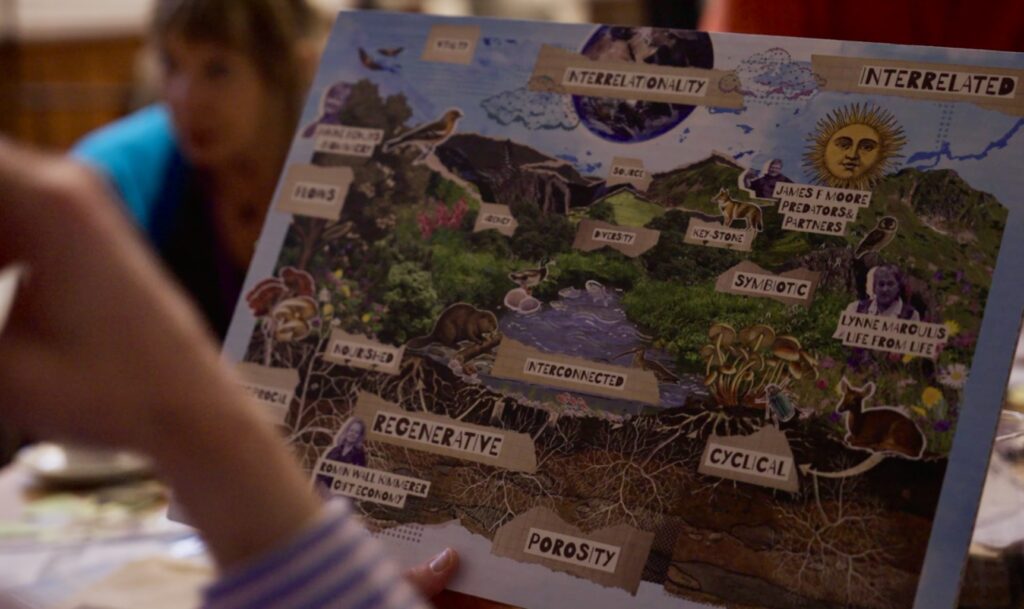
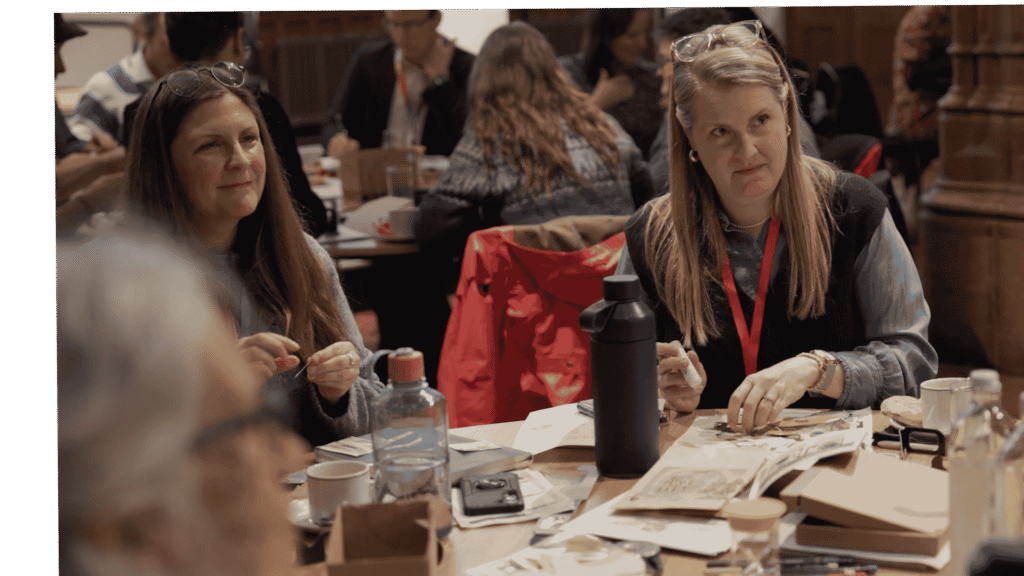
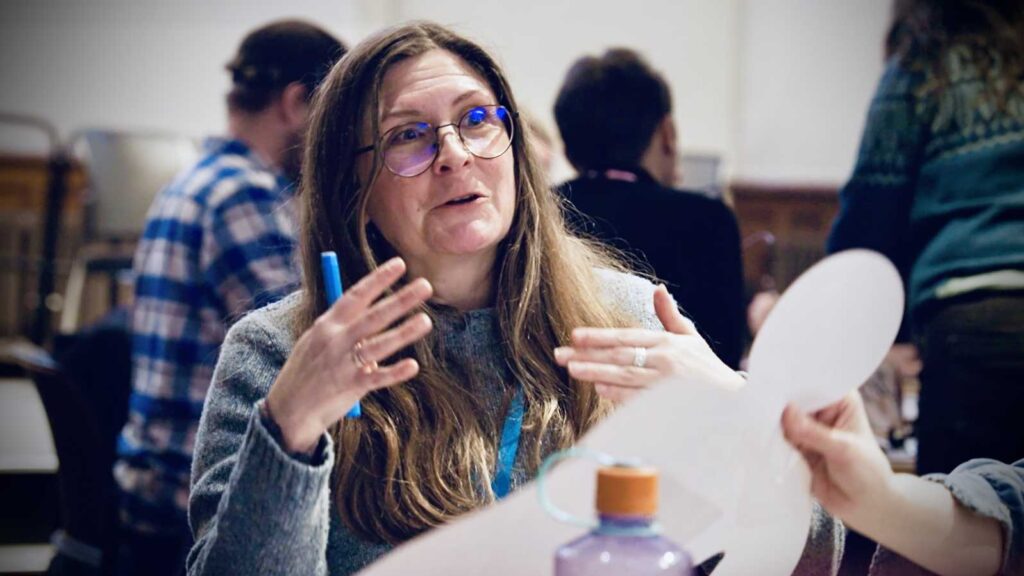
The workshop consisted of multiple components that aimed to bring people into a ‘Nature-connected’ frame of mind, which would then more easily work with Nature Guardian concepts.
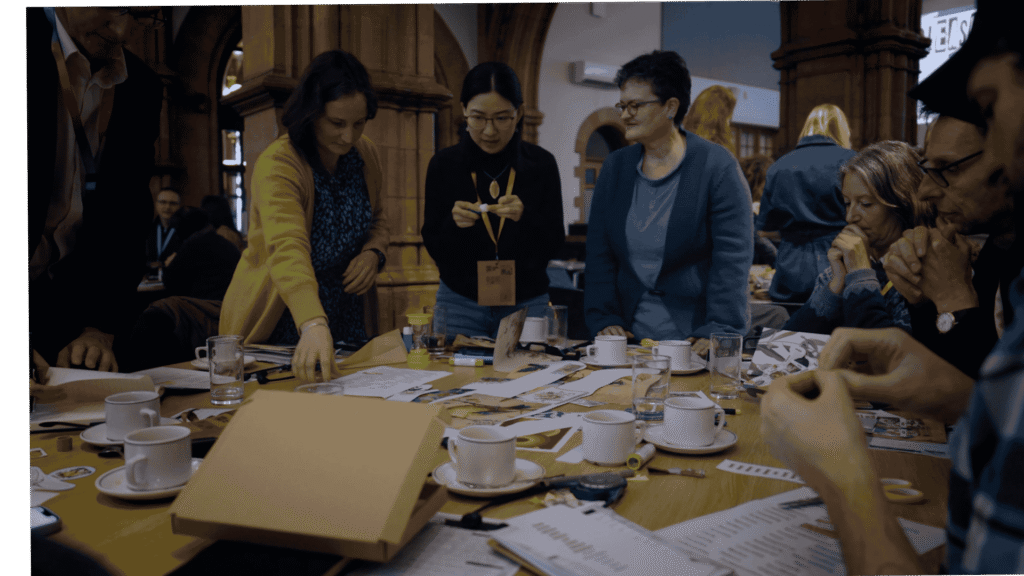
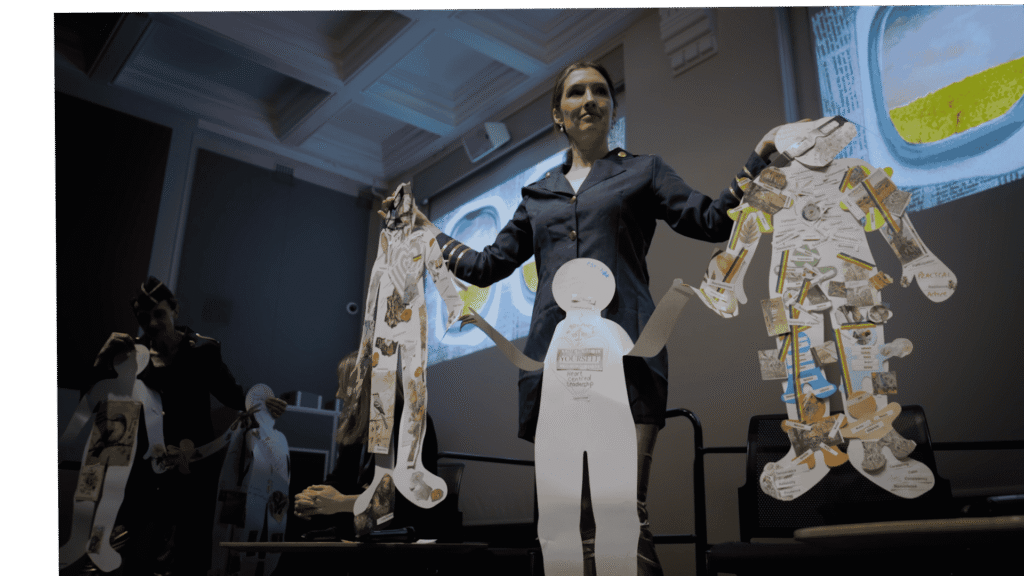
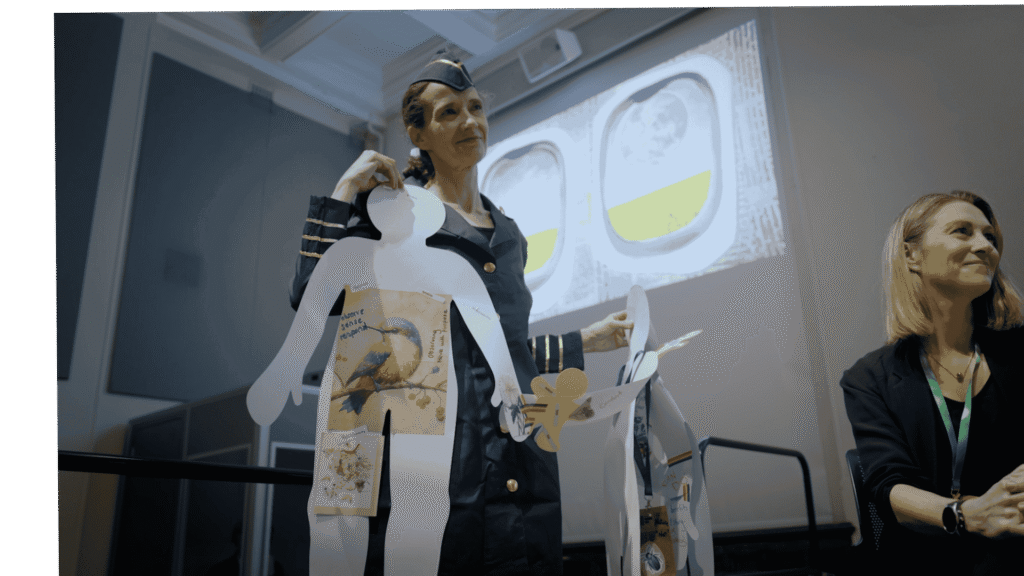
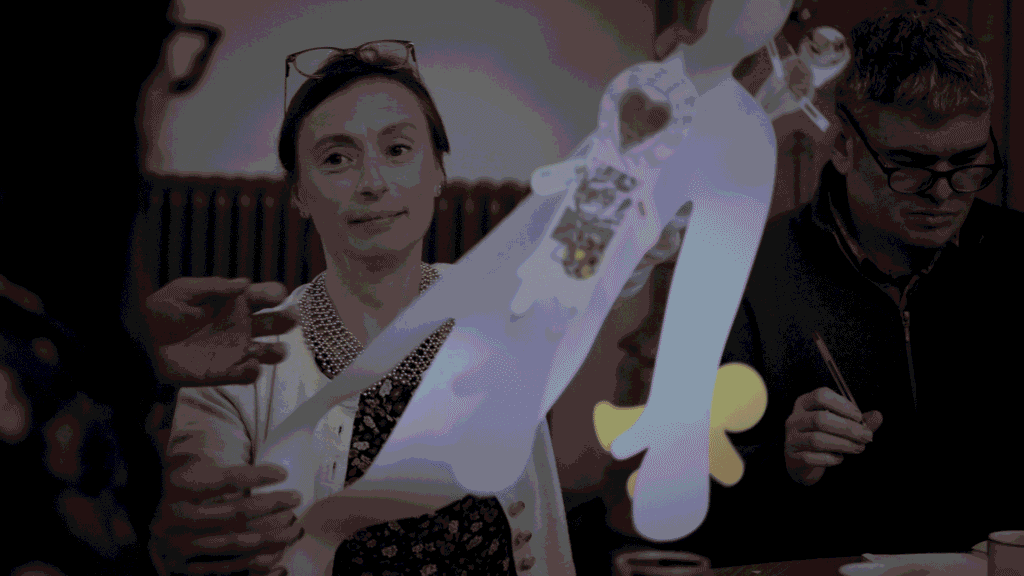
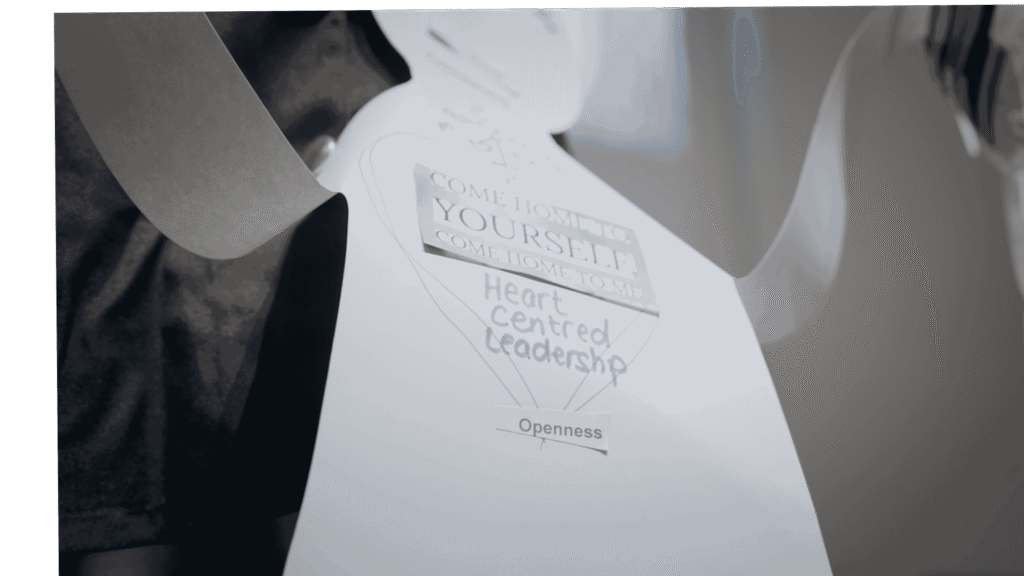
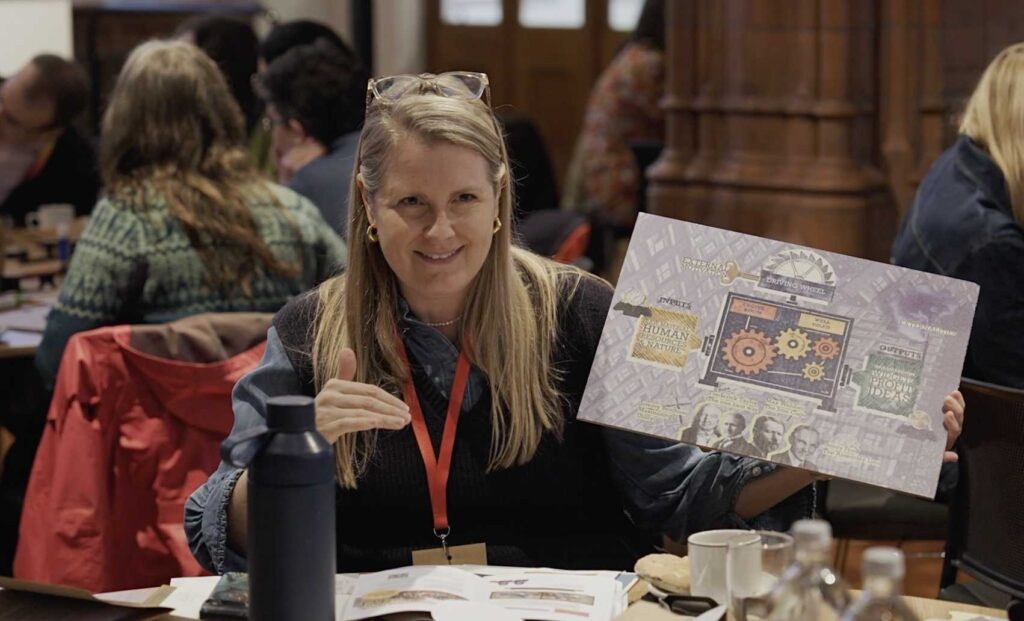
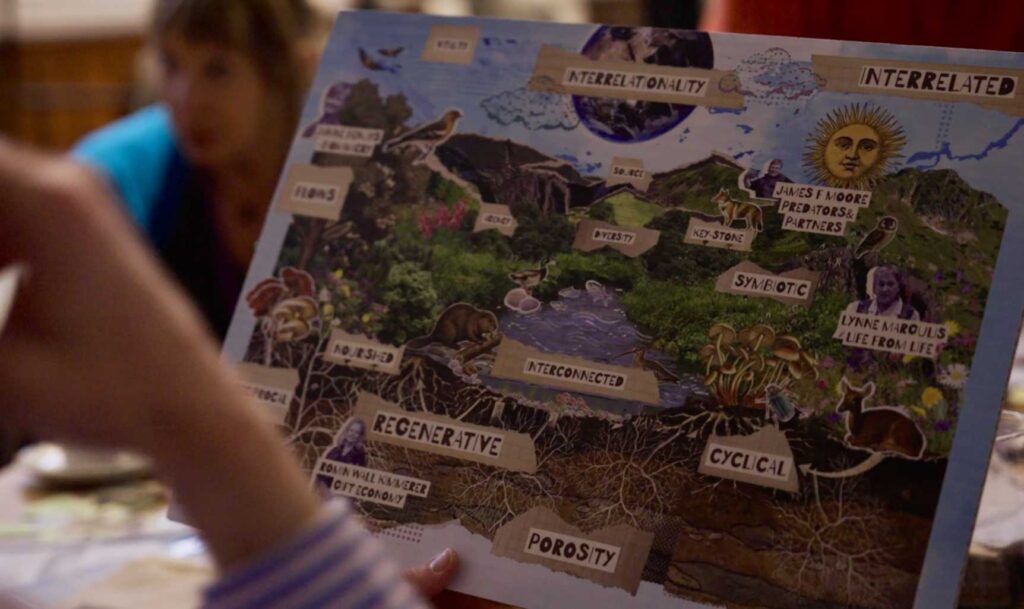
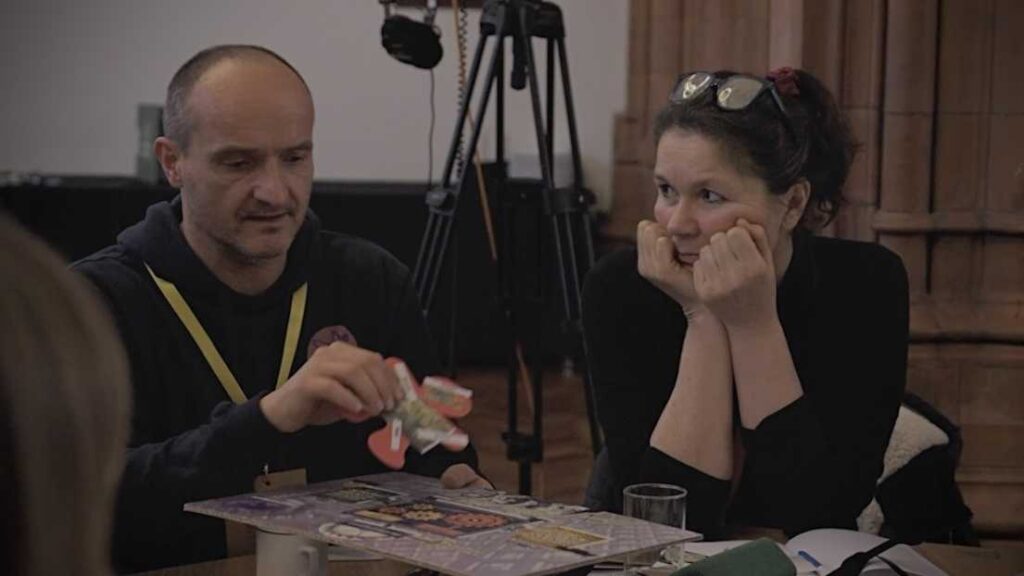
It included building a Nature-connected self out of cardboard; considering the organisation as machine, and then rebuilding it with the organisation as ecosystem; and providing feedback from across the room to the rest of the participants.
The experience of the day
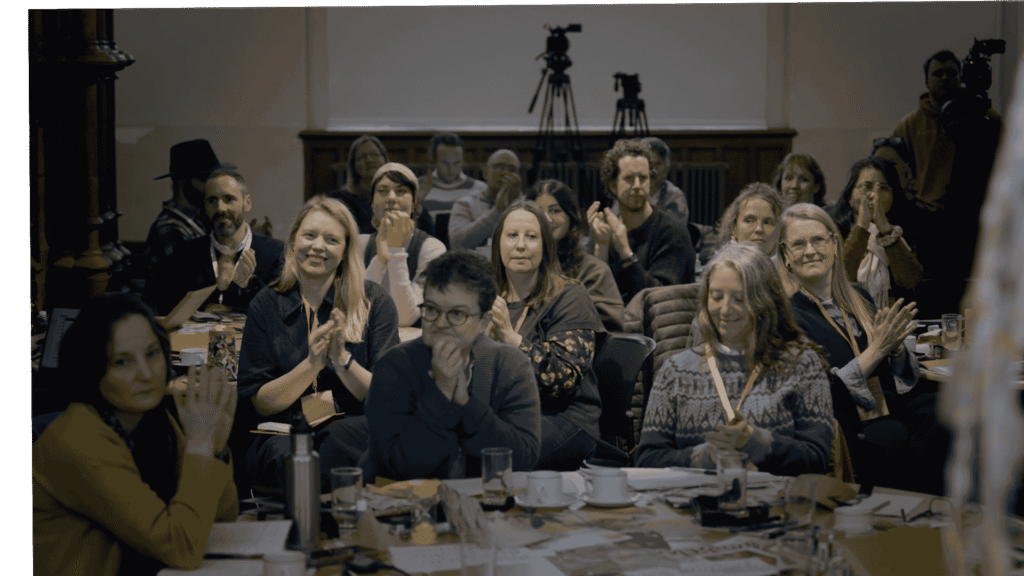
Landed Futures’ creative direction gave the day considerable focus and energy. Participants arrived to what felt like an ordinary January morning and were promptly invited to become time-travellers, meeting people from a future where the choices made in that room had, apparently, mattered a great deal. Most attendees found this interesting and engaging, which was exactly as intended, because beguiling an audience that includes Board directors and senior executives is not straightforward.
The workshop design carefully addressed the biggest challenge of the day, which was to bring people into the correct ‘radical’ mind-space in order to engage with a radical governance idea.
We conducted an illuminating exercise of mapping organisations; first as a machine, consisting of cogs, engine houses, widgets; and then as an ecosystem, comprising soil, catchment, mycelium. Common themes arose, including that the first organisation type felt stifling, restrictive, bureaucratic – with the ecological organisation feeling the exact opposite. For example, the ecosystem version felt a million kilometres from the standard corporate approach of KPIs and formal, conservative methods of accountability and performance.
The culmination of the workshop allowed participants to showcase their individual ‘Nature Guardian’ artefacts, combining to create a collective structure in the room.
Two kinds of success
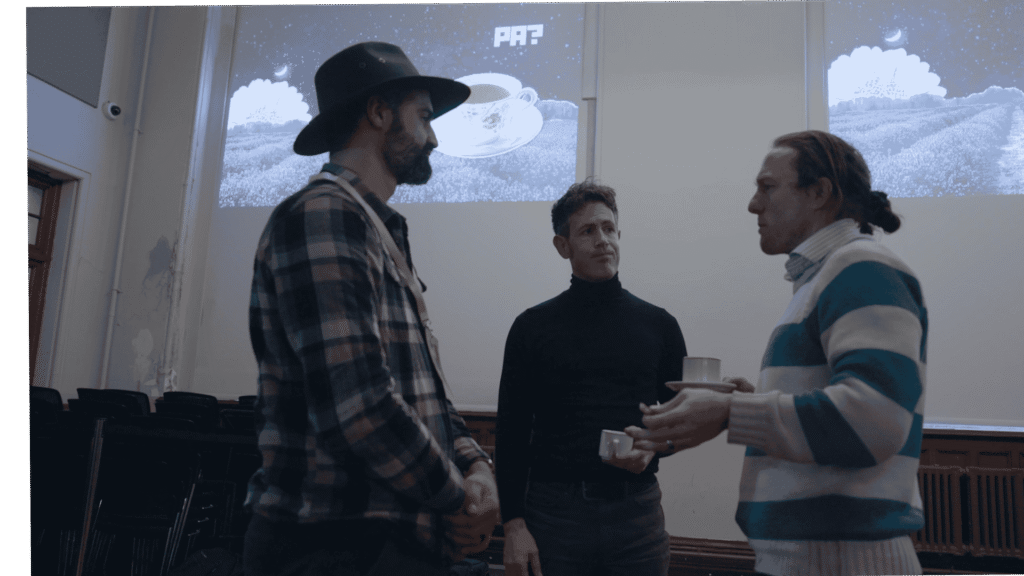
One of the things Landed Futures helped us articulate in the planning was that the event needed to succeed on two levels. For the organisations that nearly ready to consider formal Nature Guardian arrangements, the day provided evidence, arguments, and a clear case study in NICW’s own experience. Elspeth Jones’s story of her time as our Nature Guardian was frank about both the practical mechanics and the influence on how Commissioners thought and asked questions.
The day also provided a valuable insight for organisations who are not yet at the stage of figuring out how to adopt Nature Guardianship. It provided an opportunity to imagine a professional world of a different construction, and hopefully some confidence that bringing Nature into professional decision-making is itself an act of leadership, and (for the time being) fairly radical too.
Brontie Ansell’s closing reflection was on the long-term nature of governance development, using the story of Letty Pate Whitehead Evans, the first woman to serve as a director of a public company. It was a reminder that what seems obvious in retrospect always required someone to be the first.
What comes next
NICW’s Nature Guardian pilot was a product of a specific organisational culture. We have worked hard on deliberately cultivating our inner capacity and culture alongside our external output. We adopted the Inner Development Goals early in our term as a North Star for how we worked together, and this likely helped create the conditions in which the Nature Guardian idea could take root. Our journey is not necessarily easy to replicate immediately, but the pursuit of embedding Nature in organisations will almost certainly lead others in interesting directions on their own paths.
We are under no illusion that one event will transform governance structures across Wales. But – to use a Nature metaphor – it planted seeds. The conversations over lunch, the connections made, the questions left hanging in the air: these are the things that tend, over time, to matter.
If you were in the room and you’re wondering what to do next, start small. Find the places in your own work where bringing a Nature perspective would improve the quality of your decisions. And keep us posted if you find more beautiful, innovative and joyous ways of bringing Nature into your organisation!
Gallery of images from the day
Images courtesy of Rewired Life Ltd, taken on the day. David Clubb drafted the article; AI was used to tidy it up.